







• You are here: 
  • Cars > 
  • Articles > 
  • American Car Quality

American Car Quality

JD Power Study Results Show Domestics Getting Better

Posted: Aug, 12 2008
by: Kevin Ransom | AOL Autos
 

An issue that has dogged Ford Motor Company, General Motors Corp. and Chrysler LLC in their struggle to regain market share and profitability is that many consumers still -- rightly or wrongly -- perceive U.S. automakers as lagging behind their Japanese and German competitors when it comes to quality. But in the last several months, J.D. Power and Associates has released two reports that may assuage the concerns of buyers who still believe that to be the case. Last fall, Detroit's carmakers made big strides in Power's long-term dependability study, with Buick tying Lexus for the number one position.

Now comes another study -- this one gleaning data on initial quality -- showing that the Detroit brands has continued to narrow the "quality gap" so much so, in fact, that the difference between imports and domestics, when it comes to initial quality, is almost negligible.

In the annual Initial Quality study, owners are asked to report problems with their vehicles in the first 90 days of ownership. In this year's study, released in June, the overall industry average was 1.18 problems per vehicle, and the U.S. automakers' ratings were so close to those of the imports that it was virtually a tie.

For example, the difference between Toyota, the highest-ranked high-volume brand, and Ford, was eight-hundredths of a problem per vehicle.

"Yes, the gap is significantly lower this year than in years past," says Dave Sargent, J.D. Power's vice president of automotive research. "The gap between the American carmakers and the average import has closed to almost nothing, if you look at the total corporations.

"But, if you break it down by model, there are also some categories where the U.S. models actually ranked ahead of the imports," Sargent said. "These were mostly in the larger-vehicle segments -- SUVs, minivans, pick-up trucks, etc."

The improvement of the U.S. automakers is one of two important themes in this year's Initial Quality study. The other is that the industry as a whole reported a significant improvement in initial quality, with substantial gains made by nearly 75 percent of the 36 nameplates ranked in the survey.

This year's 1.18 problems per vehicle is an improvement over the 1.25 problems per vehicle reported in the 2007 study, Sargent noted.

"I think what this says to consumers is that, even if you buy blind, without doing any research, or reading any reviews, and just make your choice based on styling or price, you now have a much better chance of buying a higher quality vehicle or of avoiding a lower-quality one," Sargent observed. "We work pretty closely with all of the manufacturers, and we know that improving quality is something they're always interested in improving."

Ford was the best performer among Detroit's carmakers in the study. The Ford brand improved for the fifth consecutive year, with 1.12 problems per vehicle, compared to Toyota's 1.04 and Honda's 1.10. What may come as a surprise to some analysts and auto critics who have been urging Ford to eliminate the Mercury division is that Mercury was the top-performing domestic brand in the study, with a ranking of 1.09.

"But all we're measuring here is the quality," Sargent said. "We're not measuring how well a vehicle is selling."

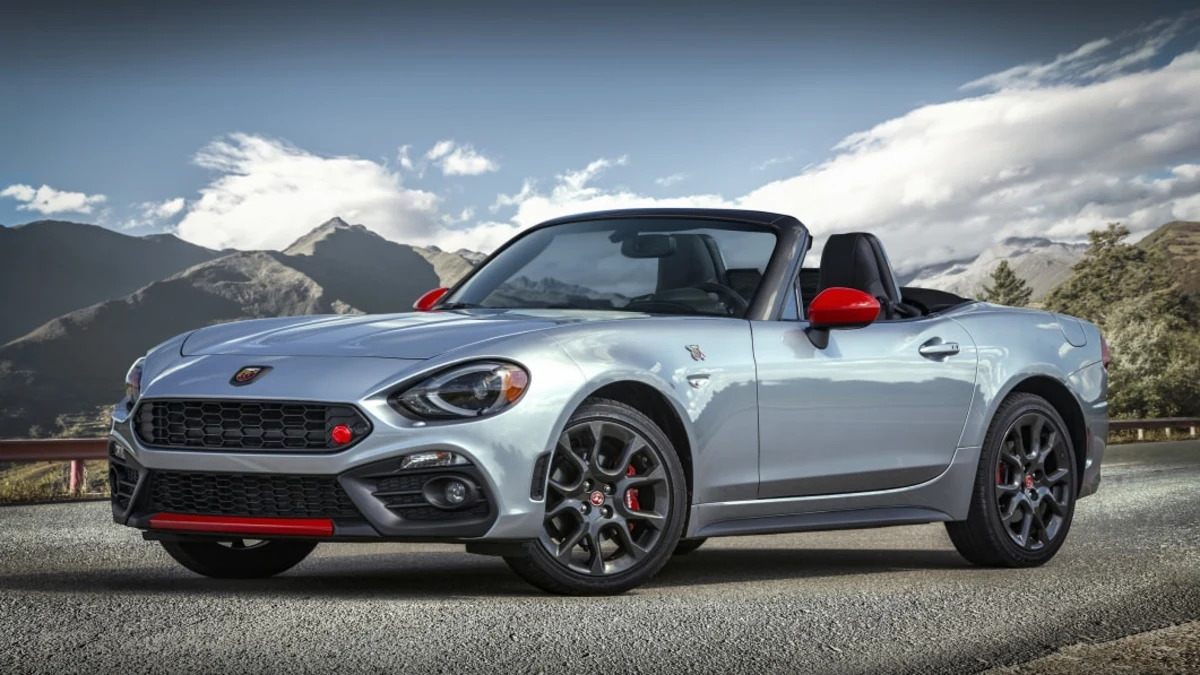
Ford also placed 10 vehicles in the study's model-segment rankings, with three first-place winners: the Ford E-Series van; the Lincoln Navigator (large premium SUV); and the Mazda MX-5 Miata (sporty sub-compact). Ford holds the controlling stake in Mazda.

Sargent said these kinds of results will help Ford as the company continues to push forward in its efforts to return to profitability and regain lost market share.

"These kinds of quality improvements, once consumers know about them, can definitely contribute to their ability to recover," he said.

"We see the effort that Ford and the other automakers are putting into quality, and they share our view that having a quality product is the price of entry into the market," Sargent added. "You need to have quality vehicles in order to compete. The U.S. carmakers are looking at quality as one of their main foundations in their turnaround plans, which is good. Because, without a quality product, a company's reputation suffers, which in turn means the company suffers financially."

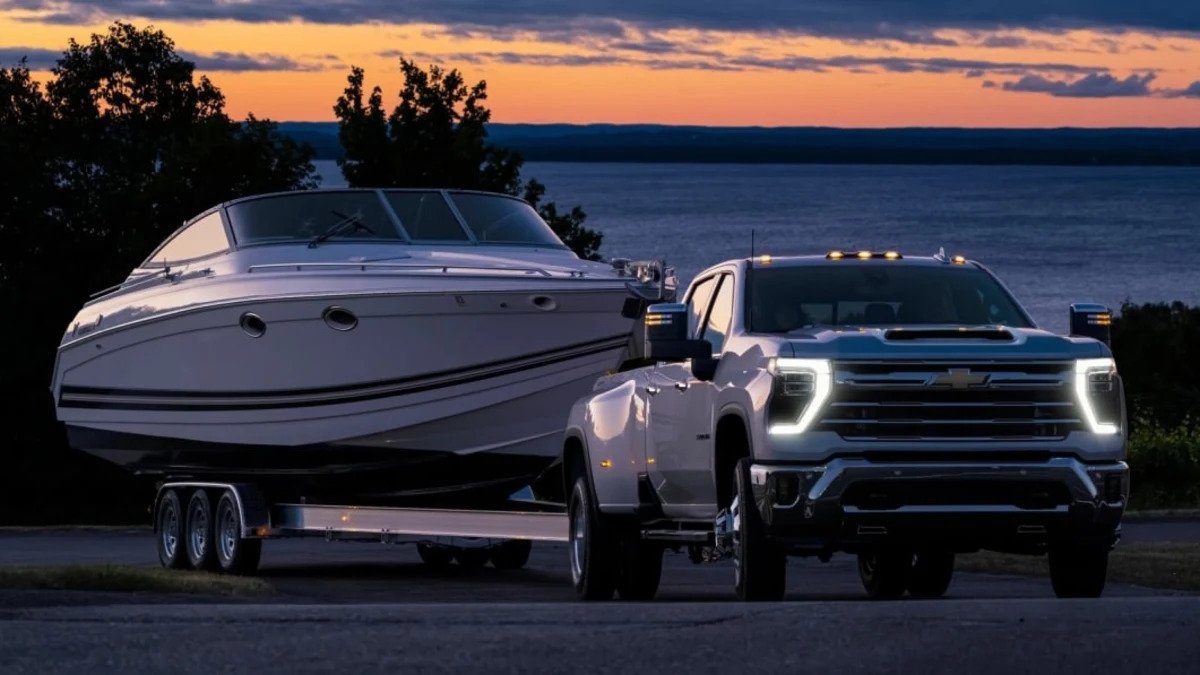
General Motors has reasons to be pleased with the quality rankings as well. Six of GM's brands improved their quality rankings this year compared to last year, with six of them ranking above average -- including Cadillac, Buick, Chevrolet and Pontiac. Plus, three of GM's brands snagged first-place rankings in their segments: The Chevy Malibu was the ranked No. 1 in the midsize car category; the Chevy Silverado LD was rated No. 1 in the large pickup segment; and the Pontiac Grand Prix sedan was the top-ranked large car.

The Malibu winning the top rank in the midsize segment is big news, given that this segment is such a high-volume one. "Malibu was a good example of the Americans closing the gap this year," Sargent said. "That segment, with the Malibu, Camry, Fusion and Accord, is very, very competitive."

Chrysler did not perform as well as Ford and GM in the survey. Although Chrysler vehicles continued to improve, their vehicles trailed many other entries. Dodge improved the most, and also snagged first place in two segments, with the Dakota winning in the midsize pickup category, and Durango earning top honors in the midsize SUV segment. More good news for Chrysler is that the PT Cruiser took second place in its compact SUV segment.

But lest anyone thinks the imports took a drubbing in this study, we should point out that Honda still won three segment awards: for the Civic (compact), the CR-V (compact SUV) and the Fit (sub-compact).

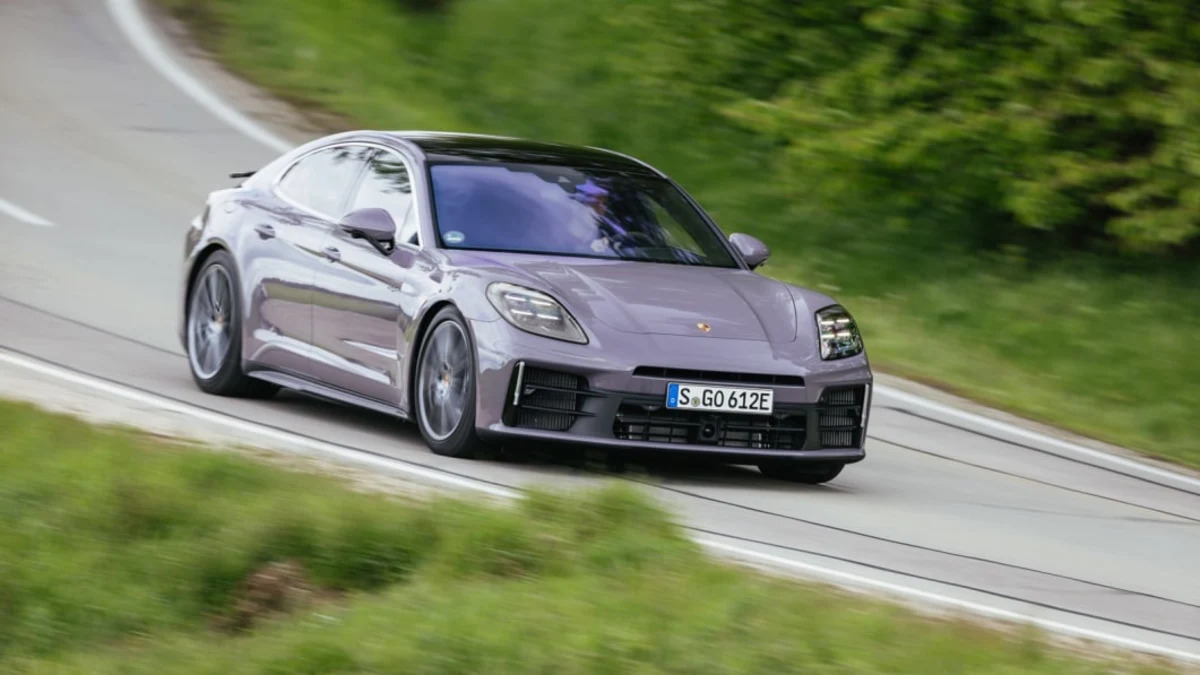
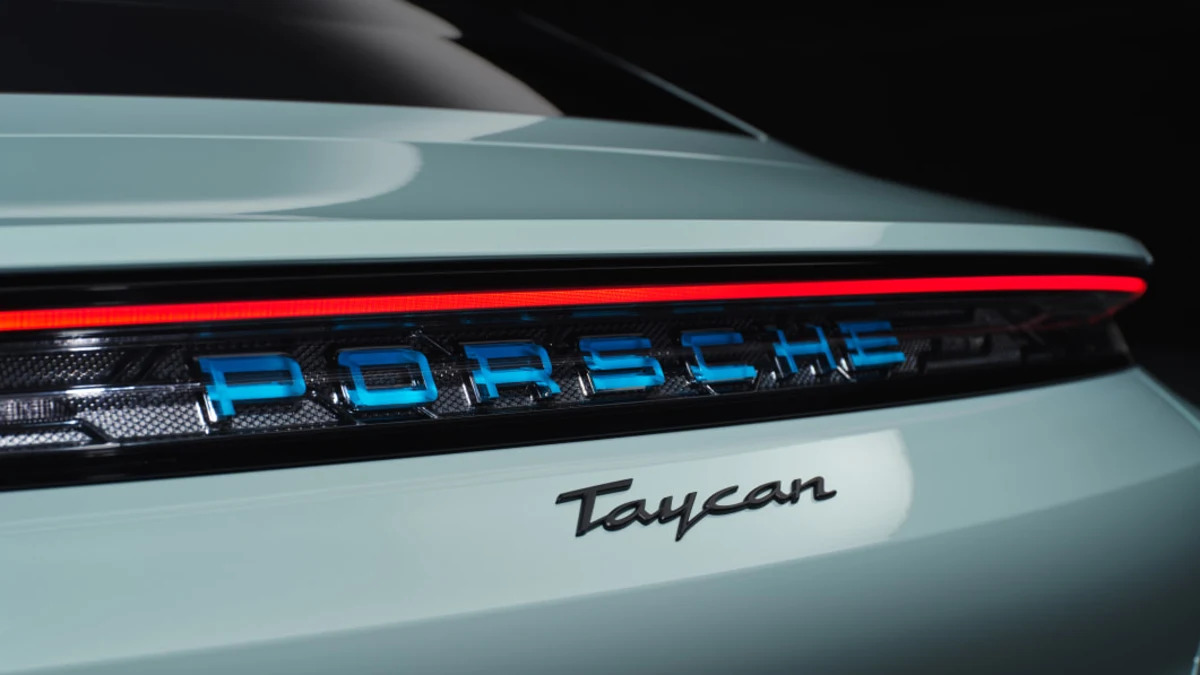
And the high-end luxury imports continued to rank at the top of list. The Porsche 911 has the fewest quality problems in the industry, with just .67 problems per vehicle. Plus, for the third consecutive year, Porsche tops the overall nameplate rankings, with a .87 score. Rounding out the top five were Infiniti (.98), Lexus (.99), and Mercedes Benz and Toyota, which tied with a score of 1.04.

One other interesting note: Given everything we've heard about spiraling gas prices and how they are driving shifts in the industry, it comes as no surprise that the Power study also reported that new-vehicle sales patterns in 2008 have shifted away from the largest models and toward smaller models.

"This shift in sales preferences among new-vehicle buyers is in part a response to rapidly increasing fuel prices," Sargent noted. "The good news for consumers in this difficult environment is that they can downsize with confidence, as there are many models with high initial quality in the smaller-vehicle segments.

J.D. Power forecasts that "28 new compact-vehicle models will launch by 2010," Sargent said, "and it will be particularly important for manufacturers to ensure high initial quality in these launches."

Read Consumer Reports Articles at AOL Autos:

- Consumer Reports Top Picks of 2008

- Consumer Reports Best and Worst Used Car

- Consumer Reports Cost of Ownership Comparison

 
Discuss
 
Leave A Comment?
Please keep your comments relevant to the American Car Quality article.
 
Fetching latest post ...
 
Fetching latest post ...
 
Fetching latest post ...
car.com
AOL Autos on Facebook
blackbook

Research a New Car

Find Used Cars For Sale Near You

Avoid getting a lemon for your next used car.
Powered by
Get a free CARFAX record check for a used car
Start with a Free CARFAX Record Check.
Follow AOL Autos on Twitter
American car quality has improved recently as shown by the latest J.D. Power and Associates study. Ford, GM and Chrysler are catching up with their import competition.
© 2009 AOL Inc. All Rights Reserved.

ABUSE REPORT

From:

Your Comment:
Send Report Cancel